



The Impact of Apple Pay on Sports Betting: Why It’s Not the Right Fit
In the rapidly evolving landscape of online gambling, payment methods play a pivotal role in shaping a bettor’s experience. With technological advancements paving the way for innovative solutions, mobile payment systems like Apple Pay have surfaced as popular options for seamless transactions. However, the intersection of Apple Pay betting not on GamStop https://www.ioshconference.co.uk/ and sports betting reveals a complex narrative. In this article, we explore the reasons behind the constraints of Apple Pay’s use in gambling and how they affect bettors and operators alike.
The Rise of Mobile Payments in Gambling
Over the past decade, mobile payments have transformed various industries, including gambling. Bettors now seek convenience and speed when placing bets, and mobile payment solutions cater to these demands with ease. The advent of mobile wallets has granted users the ability to make instant transactions, deposit funds, and withdraw winnings at the touch of a button. However, while platforms like PayPal, Venmo, and Google Pay have found acceptance in the gambling space, Apple Pay has encountered challenges that raise questions about its viability.
Regulatory Hurdles Facing Apple Pay in Sports Betting
One of the most prominent issues surrounding Apple Pay’s integration into the sports betting ecosystem lies in the regulatory landscape. The gambling industry is one of the most heavily scrutinized sectors, governed by strict rules and regulations designed to protect consumers and maintain the integrity of the games. Apple Pay’s overarching regulatory framework can clash with the local laws governing gambling, leading to a reluctance among operators to adopt this payment method.
In some jurisdictions, online gambling is heavily regulated, and payment processors must be carefully vetted and authorized by local authorities. Apple Pay has yet to fully navigate these murky waters, making it challenging for sportsbooks and online casinos to offer it as a payment option. Moreover, in regions where gambling is entirely illegal or heavily restricted, the use of Apple Pay would raise significant legal repercussions.
Privacy and Security Concerns
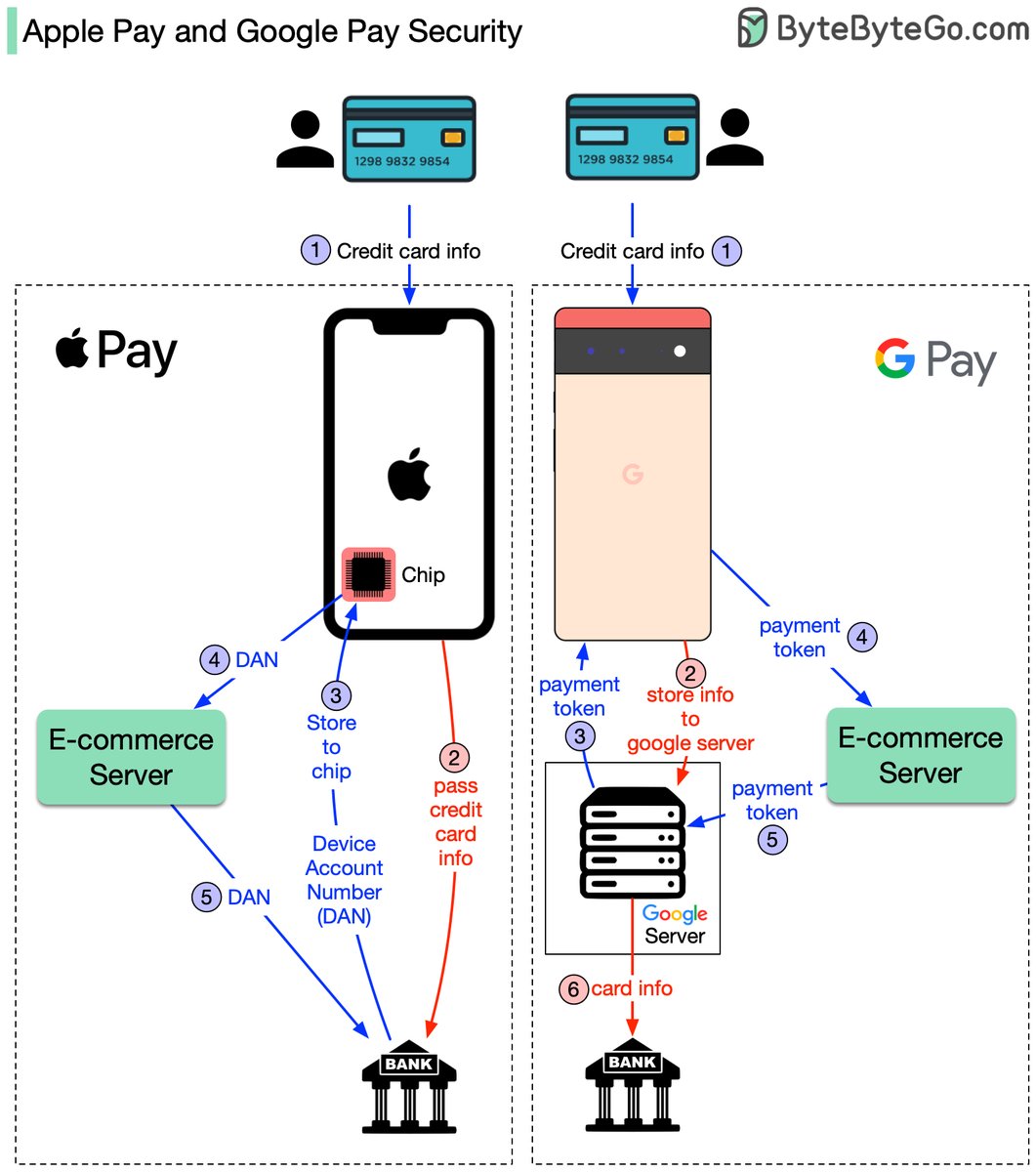
Another crucial dimension impacting Apple Pay’s role in sports betting relates to privacy and security. Bettors often prefer methods that offer anonymity and discretion when they engage in gambling activities. While Apple Pay does offer a level of security through encryption and tokenization, it is still linked to an Apple ID and bank account. This traceability may discourage potential users who value their privacy and prefer financial discretion when placing bets.
Moreover, gamblers frequently worry about their data being shared with third parties, and Apple’s strict policies on user data could inadvertently impact the way sportsbooks interact with their customers. Unlike other payment methods that allow for discreet transactions, Apple Pay’s integration could raise concerns over data retention and usage, dissuading bettors from opting for it.
Transaction Fees and Profitability for Operators
For operators, the decision to integrate a payment method hinges significantly on the associated costs. Apple Pay, while appealing for its user-friendly interface, can pose transaction fees that affect an operator’s profitability. Many sportsbooks already navigate thin margins, and the introduction of a payment method that incurs high fees could deter them from implementing it.
Additionally, the cost-benefit analysis of integrating Apple Pay as a payment option requires that operators consider whether their target demographic uses Apple products predominantly. If a sportsbook’s user base skews towards Android devices, the expense of integrating Apple Pay may not yield a sufficient return on investment, further complicating its adoption.
The Effect on User Experience
User experience is at the heart of online gambling, and payment methods significantly influence how enjoyable that experience can be. Bettors prioritize fast, efficient transactions that minimize friction. While Apple Pay offers swift payments, its potential limitations—a factor of regulatory compliance and transaction fees—could hamper the overall experience for users who might not prefer to use it.
Furthermore, if a sportsbook offers Apple Pay as a payment option but fails to seamlessly integrate it, this could lead to user frustration. Customers may encounter issues during the checkout process or face unnecessary delays, undermining their overall experience and increasing the likelihood of abandoning their bets altogether.
Alternatives to Apple Pay in Sports Betting
Given the limitations associated with Apple Pay, sportsbooks and betting platforms have been exploring alternative payment methods that offer flexibility while catering to different customer preferences. Leading options include traditional credit and debit cards, e-wallets like PayPal and Skrill, and even cryptocurrencies, which have gained traction in the betting industry.
E-wallets provide anonymity and ease of use, allowing bettors to deposit and withdraw funds without the same privacy concerns tied to Apple Pay. Meanwhile, cryptocurrencies offer additional layers of security and anonymity, appealing to users looking for discretion when engaging in gambling activities. Additionally, these alternatives often come with lower transaction fees, making them attractive for both bettors and operators.
The Future Outlook for Apple Pay in Sports Betting
As the digital payment landscape continues to evolve, Apple Pay may revisit its strategic approach to the betting sector. Collaborations with regulatory bodies could help clarify compliance pathways, while enhancements in user privacy features might address concerns surrounding data security.
Ultimately, for Apple Pay to find a place in sports betting, it will need to demonstrate its commitment to navigating the complex regulatory environment while providing tangible benefits that improve user experience and enhance profitability for operators. Until then, the gambling industry may continue to lean towards more established and agile payment alternatives that better align with the unique dynamics in this sector.
Conclusion
While the rise of mobile payments like Apple Pay represents a significant shift in how transactions are conducted, the unique challenges facing this payment method in the world of sports betting suggest it may not be the right fit for the time being. Regulation, privacy, transaction fees, and user experience are pivotal factors that operators and bettors alike must consider when navigating payment options. As the industry evolves, only time will tell if Apple Pay can address these challenges and carve out a niche in the dynamic landscape of online sports betting.
